A Caturra lot from Finca Nogales in Bruselas, Pitalito, Huila, specifically the Arrayán lot at 1770 masl. Nogales describes this block as home to around 6,000 Caturra trees, positioned to avoid the harsh midday sun while still catching strong afternoon light, a small detail, but one that shows how deliberate the farming is. Post-harvest, it’s kept clean and controlled: careful picking, flotation, 24-hour fermentation, thorough washing, then sun-drying on raised beds. After hulling, only the resulting Excelso coffee is used. Then comes the decaf process, and this is why it drinks like real coffee. The beans are soaked in hot water for several hours, repeated twice, using heat to extract caffeine. After that, a natural solvent called “mosto”, derived from coffee pulp or husk, is added and the beans rest for 24 hours. A final wash removes any residues, and the coffee dries again for around five days. In our roast, this Caturra leans fruit-forward and creamy. Think red grape and lychee, with a rounder, more cushiony mouthfeel than the Typica. It’s still clean, still precise, but it lands a little deeper and softer, like the same suit in a heavier fabric. TYPICA DECAF vs CATURRA DECAF Both coffees are decaffeinated using the same “mosto” method from Nogales, designed to preserve sweetness, clarity, and structure. The difference is the variety and how it translates in the cup. Typica is lighter and more lifted, white peach, milky oolong tea, with a silky, tea-like finish. Caturra is slightly deeper and rounder, red grape and lychee, with a creamier, more cushiony mouthfeel.
You may also like…
Related Products
-
 Sale
Sale
GESHA Colombia — La Quebraditas
$ 14.63 This product has multiple variants. The options may be chosen on the product page -
-
 Sale
Sale
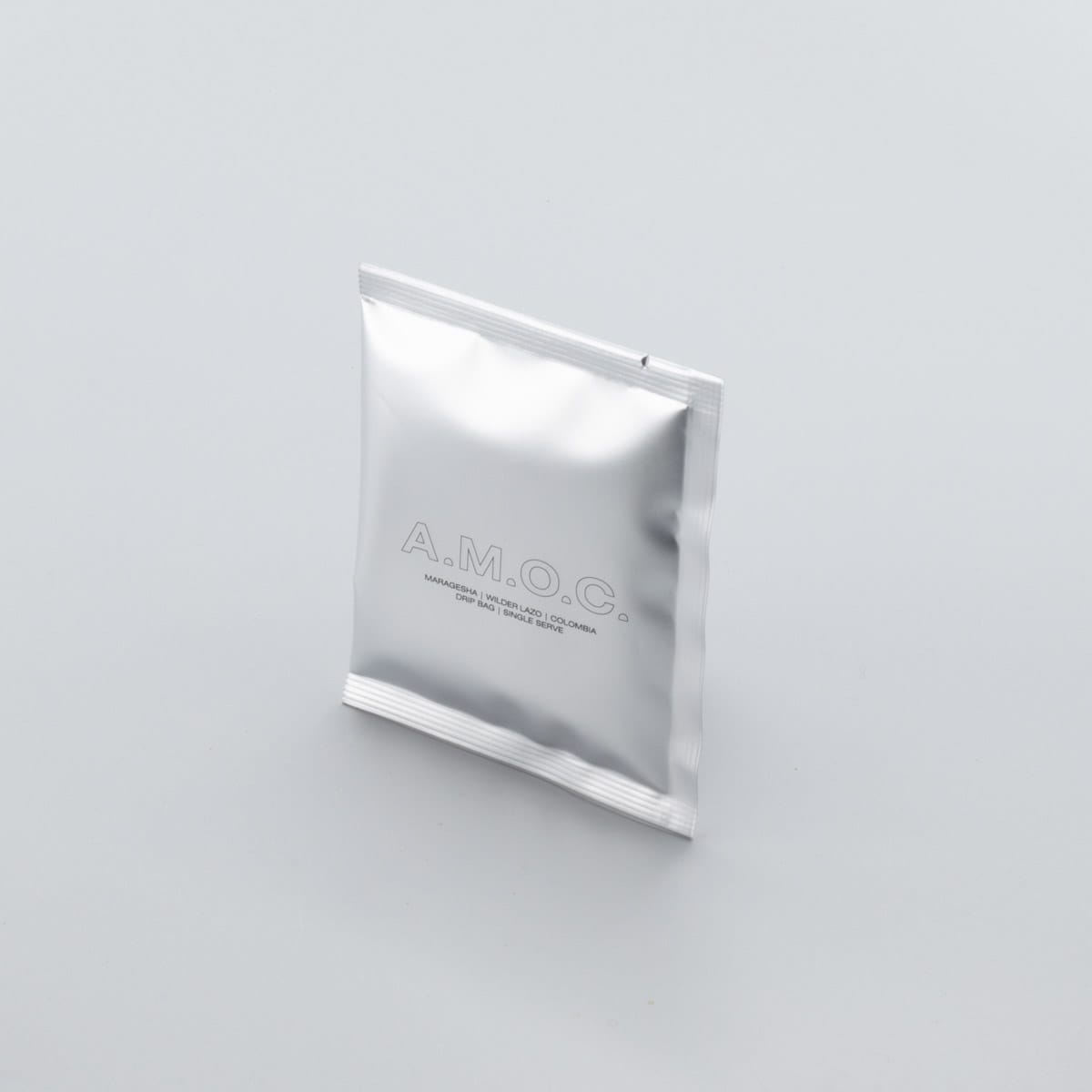
MARAGESHA Colombia — Wilder Lazo
$ 15.58 This product has multiple variants. The options may be chosen on the product page